
How Local Septic Cleaning Helps Protect Your Property Value
The importance of regular maintenance in real estate cannot be overstated. One aspect often overlooked by homeowners is septic system cleaning. Regular local septic cleaning is crucial not only for sanitation and health but also for ensuring your property retains its value over time. This article explores the multifaceted benefits of septic cleaning and how it directly influences property valuation. The following sections will discuss the complexities of septic systems, financial impacts, environmental benefits, health considerations, economic contributions to communities, and guidelines for homeowners.
Understanding the Basics of Septic Systems
Common Issues with Septic Systems
Septic systems, despite their efficiency, are susceptible to several common issues. Blockages can occur if non-biodegradable materials enter the system, leading to backups and overflows. Hydraulic overload occurs when too much water enters the system, often from leaks or heavy rainfall, impairing its function. Biological activity may be disrupted by anti-bacterial agents that kill beneficial bacteria in the tank. Pipe corrosion and tree root intrusion are additional risks that can compromise the integrity of a septic system. These issues underscore the importance of regular maintenance and monitoring, including scheduling local septic cleaning to prevent buildup and system strain.
Signs Your Septic System Needs Maintenance
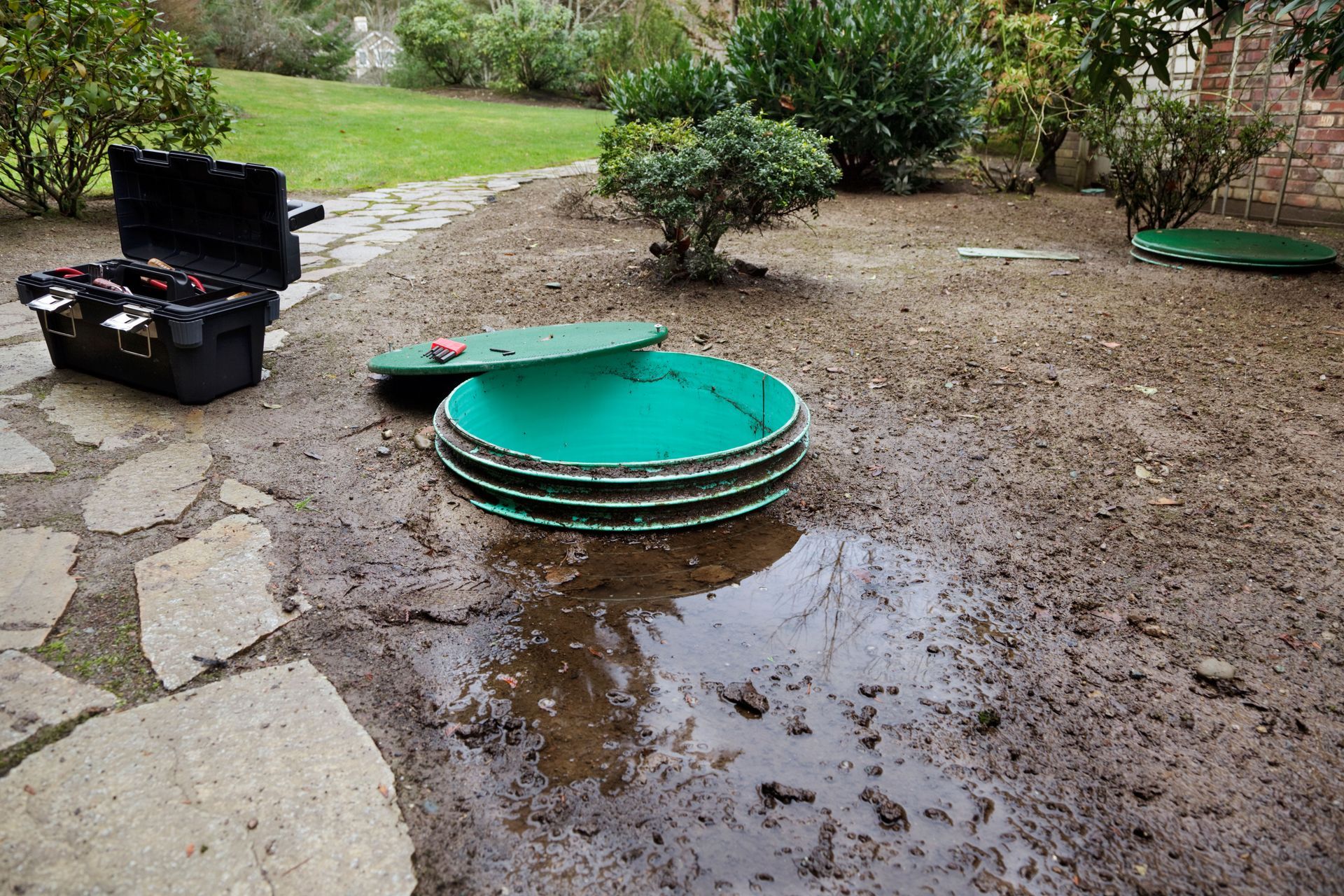
Timely maintenance is critical to prevent septic system failures. Homeowners should watch for signs such as slow drains, unpleasant odors around the home, and pooling water in the yard, which indicate potential septic issues. Gurgling sounds in the plumbing system could also point to a septic blockage. An unusually green or lush section of your lawn might suggest a malfunctioning drain field. Consistent inspections and routine pump-outs, often included in septic cleaning services, can address these signs before major problems develop.
The Role of Regular Inspections
Regular inspections play a pivotal role in maintaining the health of septic systems. Inspections can identify early signs of damage or system inefficiencies, preventing costly repairs. Safety guidelines recommend septic inspections every three years, which, alongside proper maintenance, can mitigate environmental impacts. According to Verified Market Reports, approximately 20% of U.S. households rely on septic systems for wastewater treatment, highlighting the widespread necessity for diligent septic care. Investing in professional inspections and local septic cleaning ensures system longevity and consistent performance.
The Financial Implications of Septic System Failure
Repair Costs vs. Maintenance Costs
The financial burden associated with septic system failures can be significant. While routine maintenance might seem like an added expense, the costs of repair or replacement far exceed maintenance investments. Replacing failed components or the entire system can cost thousands of dollars. Comparatively, regular pump-outs and inspections are considerably less expensive and prevent severe damage. By prioritizing maintenance through routine local septic cleaning, homeowners can achieve long-term financial savings.
Impact on Property Sales
A malfunctioning septic system can adversely impact property sales. Potential buyers are discouraged by homes with septic issues due to future repair costs and inconvenience. A functioning, well-maintained system, however, reassures them about the property's condition. Therefore, sellers are advised to ensure their septic system is in optimal condition before listing their property. Evidence of regular maintenance, including documented local septic cleaning, enhances buyer confidence and can facilitate quicker sales at desired prices.
Insurance Considerations
Insurance policies might not cover septic system failures, especially if they result from neglect. Homeowners should review their insurance policies carefully to understand septic system coverage. Policies covering such failures often require evidence of regular maintenance to grant claims. Hence, documenting inspections and pump-outs can prove beneficial during insurance claims. Proper records reassure insurers of a homeowner’s commitment to system upkeep, enhancing coverage possibilities.
Environmental Benefits of Regular Septic Cleaning
Preventing Groundwater Contamination
Septic systems play a crucial role in protecting local water resources. Without proper maintenance, failing systems might leak untreated waste, contaminating nearby groundwater. Groundwater contamination risks public health, wildlife, and overall water quality. Regularly cleaning and maintaining your septic system through local septic cleaning helps prevent these hazards, ensuring wastewater is processed correctly and safely. By preventing contamination, homeowners contribute significantly to local water conservation and protection efforts.
Maintaining Local Ecosystems
Proper septic system function is vital for sustaining local ecosystems. Untreated waste can harm flora and fauna by altering soil composition and introducing toxins. Regular maintenance minimizes these threats, preserving natural landscapes and biodiversity. This proactive care supports healthy ecosystems, benefiting local agriculture and wildlife. Healthy ecosystems, in turn, contribute to robust environmental health, supporting broader ecological stability.
The Role of Septic Systems in Sustainable Living
Septic systems align with sustainable living principles by reducing the environmental footprint. They treat household waste onsite, minimizing reliance on municipal treatment facilities that require significant energy and infrastructure. Well-maintained systems efficiently decompose waste, returning clean water to the environment, supporting sustainable resource cycles. This aligns with eco-friendly lifestyles, reinforcing how individual maintenance choices impact broader environmental sustainability.
Health and Safety Considerations
Minimizing Health Risks
Regular septic maintenance is crucial to minimizing health risks for homeowners. Malfunctioning systems can release harmful pathogens and toxins, posing serious health threats. Proper system care prevents these contaminants from leaking into the home or surrounding environment. Homeowners protect their families by prioritizing regular inspections and cleaning. By reducing exposure to hazardous waste, communities experience enhanced public health conditions.
Safety During Cleaning and Maintenance
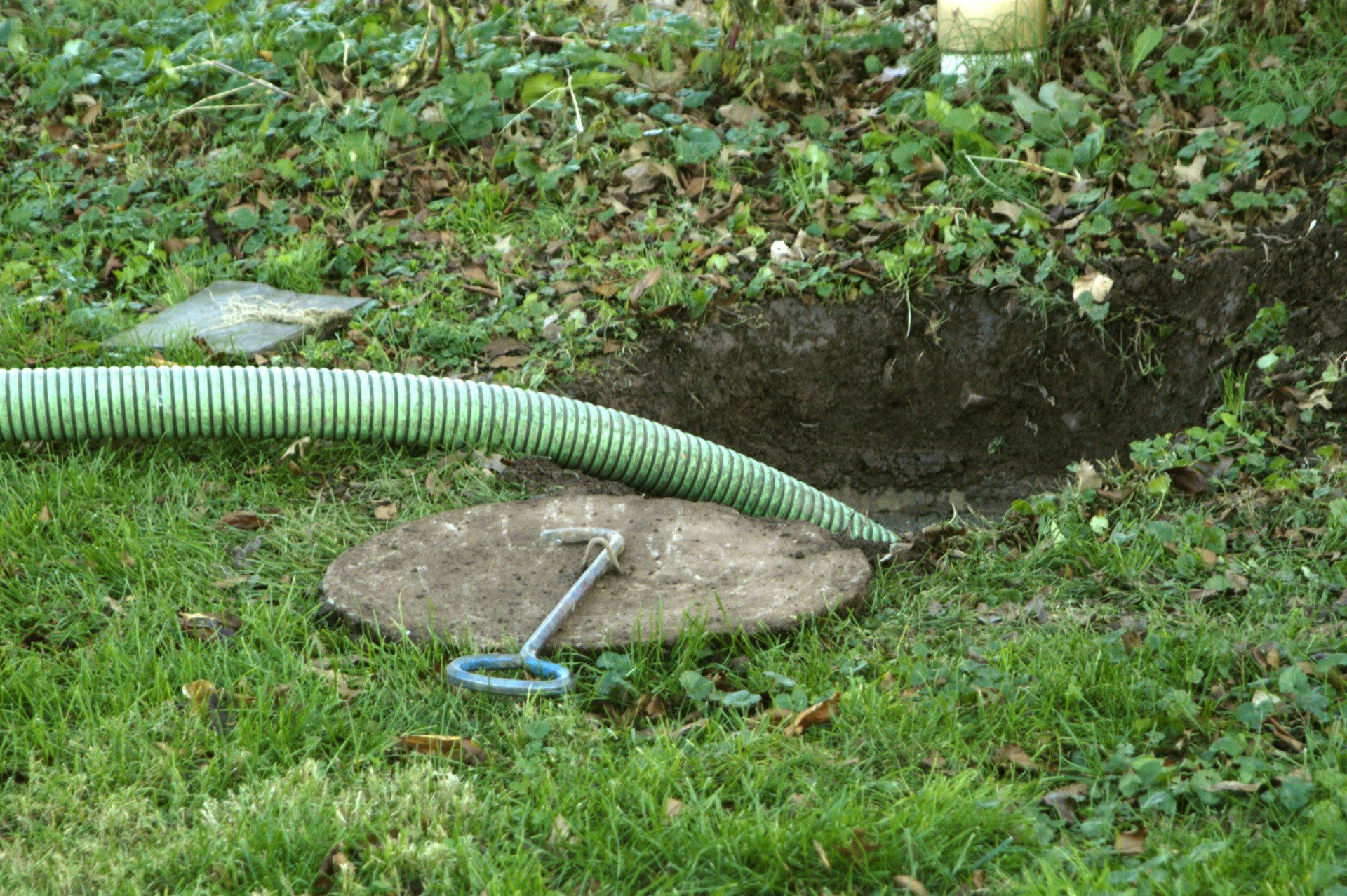
Septic cleaning and maintenance require adherence to safety protocols to protect operators and residents. Professional septic services follow stringent safety measures, including the use of protective equipment and proper handling of waste materials. Homeowners are advised against DIY cleaning due to potential hazards. Hiring trained professionals ensures compliance with safety standards and thorough system care. Professional services mitigate risks, promoting overall community safety.
Symptoms of Septic-Related Health Issues
Understanding the symptoms of septic-related health issues can prompt timely intervention. Common indicators include persistent flu-like symptoms, gastrointestinal distress, and skin irritations. Homeowners should remain vigilant and seek professional evaluation if health issues arise alongside septic system signs of failure. Addressing such symptoms promptly through maintenance or medical care can prevent escalation. Awareness of health risks associated with septic failures supports proactive system management.
The Economic Impact on Local Communities
Boosting Local Businesses
The septic service industry supports the local economy by boosting business revenue. Local companies providing professional maintenance benefit from steady demand, contributing to economic growth. Their services extend beyond basic maintenance, offering consultations and emergency repairs. Relationship-building with local businesses enhances service delivery and community loyalty. These interactions foster thriving service-oriented businesses, reinforcing economic stability within regions.
Creating Jobs in Septic Services
The septic service industry creates employment opportunities in local communities. These jobs range from skilled technicians and administrative roles to sales positions. Job opportunities in this sector contribute to economic advancement and workforce development. Training and professional certification programs ensure a qualified workforce, enhancing service quality. Stable employment in the septic sector positively impacts local economies and individuals' quality of life.
Supporting Community Growth
Expenditure on local septic services translates into revenue that supports community growth. Funds funneled into local businesses are reinvested into the community, contributing to its prosperity. This cyclical economic activity sustains infrastructure and supports public services. Strong economic support from septic services encourages community development and opportunity. Vibrant local economies attract resident investments and community engagement, furthering growth.
Regular local septic cleaning is an essential practice for any property owner. Not only does it safeguard health and enhance environmental conditions, but it also significantly impacts property value and offers economic benefits to the community. By investing in proper septic maintenance, homeowners contribute to a sustainable future and protect their most valuable asset, their home. Consistent care and proactive management prove critical in maximizing real estate return, minimizing health risks, and supporting community development. Homeowners are encouraged to remain engaged, informed, and proactive as stewards of their systems, homes, and communities. Contact CT Brown Sanitation & Drain Cleaning today to schedule your septic cleaning service!

Share On: