10 Consequences of Putting Off Septic Cleaning
For homeowners who rely on a septic system, routine maintenance is not optional. It plays a critical role in protecting your property, your health, and your financial investment. While it may be easy to delay service when everything appears to be working properly, small issues inside a septic tank can quietly build into serious problems over time.
Postponing septic cleaning may seem like a minor decision in the moment, but the long-term consequences can be significant. From costly repairs and unpleasant odors to environmental contamination and system failure, neglecting routine maintenance often leads to avoidable complications. Understanding these risks can help homeowners make proactive choices that protect both their homes and their budgets. Regular inspections and timely service are far easier to manage than emergency repairs that disrupt daily life.
1. Allowing Solid Waste to Accumulate Excessively
Inside every septic tank, solid waste naturally settles at the bottom while oils and grease float to the top. Over time, this buildup reduces the available space needed for wastewater to separate and process properly. Without routine septic cleaning, solids can accumulate beyond safe levels. As the sludge layer thickens, it limits the tank’s ability to function efficiently and increases internal pressure. This gradual overcrowding often goes unnoticed until visible symptoms begin to appear inside the home or yard.
When the tank becomes too full, wastewater has less time to settle. This imbalance interferes with normal treatment and increases the likelihood of solids escaping into the drain field. What begins as simple buildup can quickly escalate into more serious system complications that require professional intervention. If solids move beyond the tank, they can clog distribution lines and compromise the soil’s ability to absorb wastewater. Addressing accumulation early prevents strain on every connected component.
2. Causing Slow Drains and Frequent Backups
One of the earliest warning signs of neglect is sluggish drainage inside the home. Sinks, tubs, and toilets may empty more slowly than usual as the system struggles to manage wastewater flow. These symptoms often signal that the tank is nearing capacity. Gurgling sounds in pipes or intermittent toilet bubbling may also occur as trapped air struggles to move through restricted lines. While these warning signs may seem minor at first, they typically indicate that internal buildup is interfering with normal system performance.
If septic cleaning is postponed, minor drainage issues can turn into full sewage backups. Wastewater may return through floor drains or plumbing fixtures, creating unsanitary conditions and costly cleanup requirements. Beyond the inconvenience, these backups can damage flooring, drywall, and personal belongings. Prolonged exposure to contaminated water may also create health concerns due to bacteria and harmful pathogens. Addressing slow drainage early can prevent structural damage and protect both the home and its occupants.
3. Creating Persistent and Unpleasant Odors
Septic systems are designed to contain and process waste discreetly. However, when tanks become overloaded, foul odors can begin to surface around the yard or inside the home. These smells are often caused by trapped gases or improper waste breakdown. You may notice stronger odors near drains, around the septic tank lid, or in low areas of the yard where gases escape more easily. These unpleasant scents are not just a nuisance, but a sign that the internal balance of the system is being disrupted.
Routine septic cleaning removes excess buildup and restores proper function. Ignoring odors may allow the underlying issue to worsen, making the smell stronger and more difficult to eliminate. In some cases, persistent odors can seep into living spaces and affect indoor air quality. Addressing the source early keeps your property comfortable and welcoming. Prompt attention also prevents minor ventilation issues from developing into more serious mechanical or structural concerns.
4. Damaging the Drain Field
The drain field plays a crucial role in filtering wastewater after it leaves the tank. When solids escape due to a lack of septic cleaning, they can clog the soil and prevent proper absorption. This damage restricts wastewater flow and reduces system efficiency. As soil pores become blocked, the natural filtration process slows down, causing wastewater to linger longer than it should. Over time, this strain can compromise the balance of bacteria in the surrounding soil, further weakening its ability to treat waste effectively.
Over time, standing water may appear in the yard, or the soil may become overly saturated. Repairing or replacing a drain field can be extremely expensive and disruptive to landscaping. Preventive maintenance is far more manageable than correcting advanced damage. In severe cases, sections of the yard may need to be excavated, disturbing established grass, gardens, and hardscaping features. Addressing buildup early helps preserve both the functionality of the system and the appearance of your outdoor space.
5. Increasing the Risk of System Failure
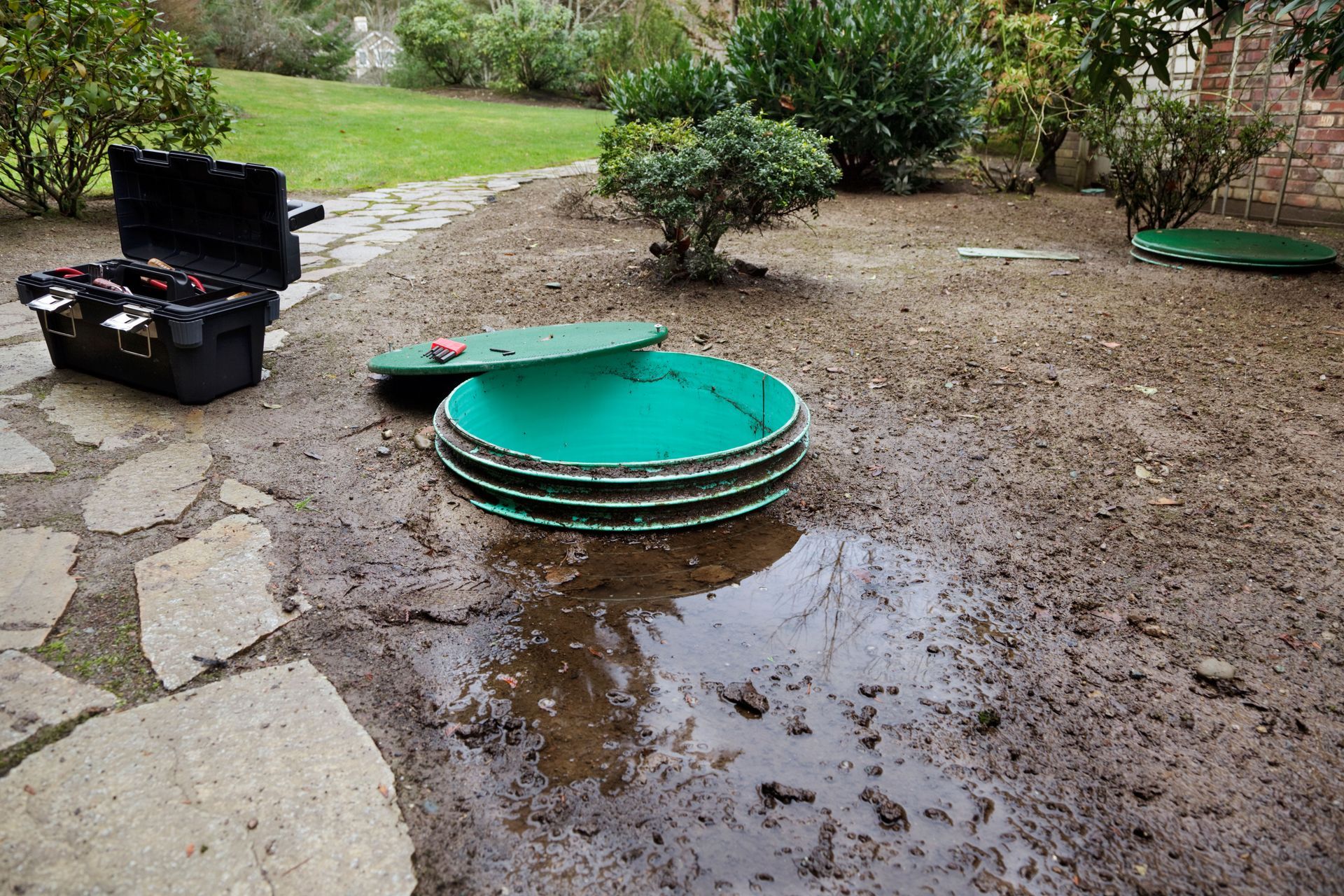
A complete septic system failure is one of the most serious consequences of neglect. When tanks overflow or drain fields become saturated, wastewater may surface in the yard. This situation poses health risks and requires immediate professional attention.
According to BobVila.com, septic systems need to be cleaned every three to five years. Following this recommended schedule greatly reduces the risk of catastrophic failure. Routine septic cleaning costs far less than replacing an entire system or addressing contaminated soil.
6. Contaminating Soil and Groundwater
Improperly maintained systems can allow untreated wastewater to seep into surrounding soil. This contamination may carry harmful bacteria and pathogens beyond the property line. In some cases, groundwater sources can become affected, impacting nearby wells.
Environmental contamination not only threatens public health but may also result in regulatory penalties. Consistent maintenance helps ensure waste is processed safely and responsibly. Maintaining compliance protects both homeowners and the broader community.
7. Lowering Property Value
A malfunctioning septic system can significantly reduce a home’s resale value. Prospective buyers often request septic inspections during the purchasing process. Signs of neglect can delay transactions or lead to reduced offers.
Maintaining a documented history of septic cleaning demonstrates responsible ownership. Buyers are more confident when they know the system has been properly maintained. Preventive care strengthens market appeal and protects long-term investment value.
8. Raising Repair and Replacement Costs
Small maintenance tasks are typically far less expensive than emergency repairs. When buildup goes unchecked, pressure on system components increases. Pipes, baffles, and pumps may deteriorate more quickly under strain.
Scheduling routine maintenance at appropriate intervals minimizes wear and tear. By preventing excess stress on the system, homeowners avoid unexpected breakdowns and inflated repair bills. Timely service reduces financial surprises.
9. Disrupting Daily Household Activities
A failing septic system does not operate quietly in the background. It interferes with everyday routines such as showering, cooking, and doing laundry. Plumbing restrictions can limit water usage and create inconvenience for the entire household.
Delaying routine maintenance increases the likelihood of these disruptions. Preventive service keeps wastewater flowing smoothly and allows families to maintain normal daily operations without interruption. Consistency helps preserve comfort inside the home.
10. Creating Stress and Uncertainty
Home maintenance can be stressful when unexpected problems arise. Septic emergencies often occur without warning and require immediate action. The uncertainty of potential failure adds unnecessary pressure to homeowners.
Septic systems are essential to modern homes, yet they often receive attention only when something goes wrong. Allowing maintenance to lapse may lead to accumulation, odors, backups, environmental contamination, and expensive repairs. Each of these consequences stems from a preventable issue that grows over time when ignored. Staying proactive protects both your living space and your financial stability.
Protect your home, your health, and your investment by prioritizing proper maintenance. If you are ready to avoid these costly consequences and keep your system operating efficiently, contact CT Brown Sanitation & Drain Cleaning today to schedule professional septic cleaning and maintain long-term peace of mind.

Share On: