
Do You Need a New Septic Tank?
Septic tanks are essential components of many residential and commercial properties, particularly in areas where access to municipal sewer systems is limited. Over time, these systems can age and degrade, leading to questions about when a replacement is necessary. This article explores the indicators that signal a need for a new septic tank, the process of replacement, and what homeowners should consider. Understanding the signs of a failing septic system can prevent health hazards and environmental issues. By maintaining awareness, using a trusted septic cleaner, and conducting regular checks, homeowners can extend the life of their septic systems.
Signs Your Septic Tank May Need Replacement
Frequent Backups
Frequent backups are one of the most telling signs that your septic tank may need replacement. It’s crucial to understand how often these backups occur and whether they indicate a deeper issue. Chronic backups can mean the septic tank is full, or there may be blockages in the pipes leading to the tank. Ignoring these signs can result in wastewater seeping into your home, leading to unsanitary conditions. Regular monitoring, combined with the assistance of a professional septic cleaner, can help predict when these issues may arise.
Gurgling Sounds
Unusual gurgling sounds coming from drains and toilets can be a clear indicator of septic system problems. These sounds often suggest blockages within the pipes leading to the septic tank. Over time, these blockages can contribute to system backups or leaks, creating significant inconvenience. Homeowners should be mindful of these acoustic cues and address them promptly by consulting a professional. Timely interventions from an experienced septic cleaner can prevent larger issues and more costly repairs or replacements.
Foul Odors
Persistent foul odors around your property are unmistakable signals of potential septic tank failure. These odors are often caused by gases escaping from the tank due to leaks or overflow. Ignoring these smells can lead to environmental contamination and health risks. Regularly inspect the area surrounding the septic tank for any unusual odors and seek professional advice if they persist. Hiring a septic cleaner for routine maintenance can help mitigate health risks and extend the life of your septic system.
Lush Green Patches
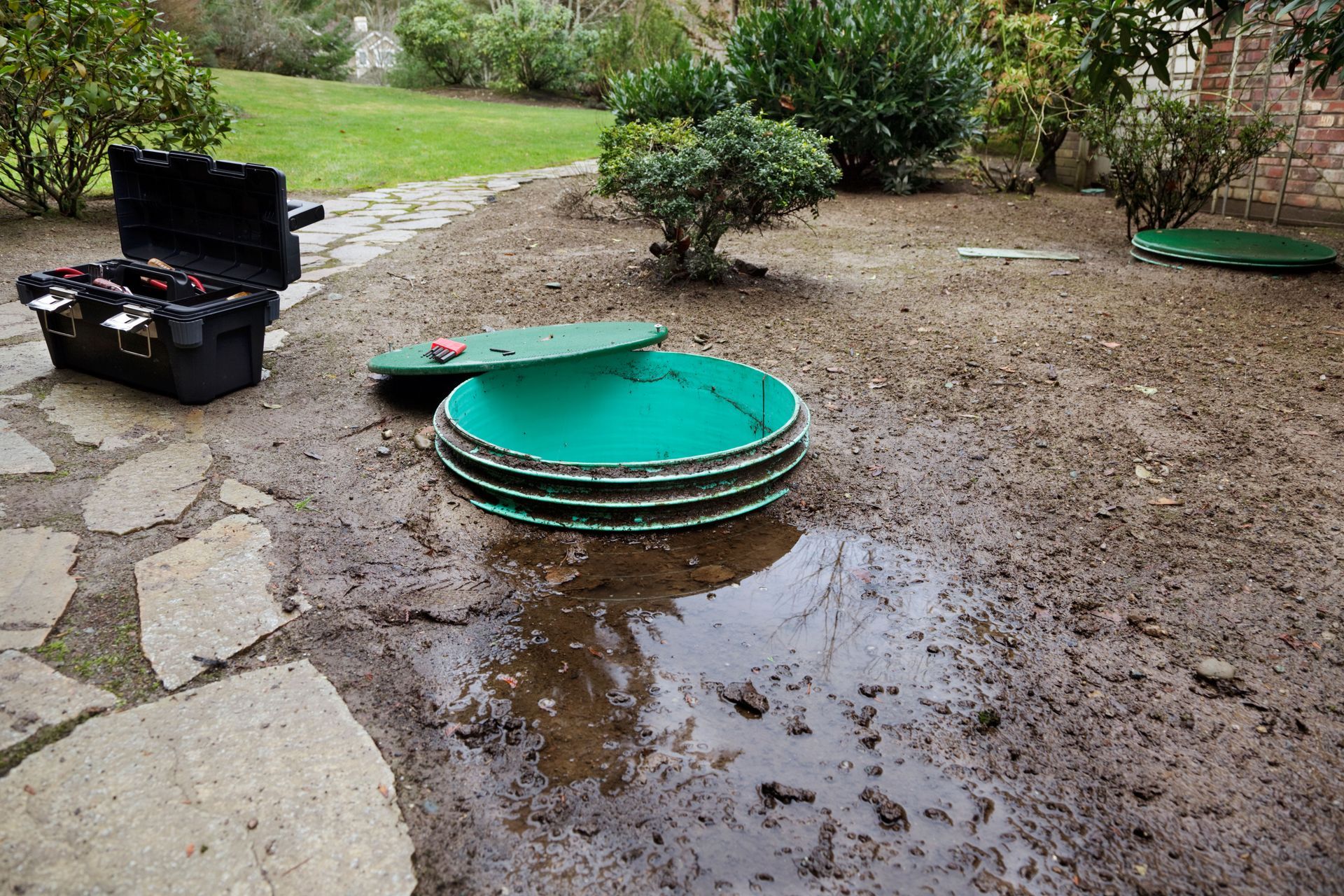
Unusual lush green patches in your yard may be aesthetically pleasing, but they can indicate a hidden problem with your septic system. These patches often occur because of leaks in the septic tank, which fertilize the soil with leaked nutrients. While it might not seem urgent, these leaks can lead to more severe problems over time, including tank collapse and environmental hazards. Monitoring yard growth patterns and correlating them with septic performance can help detect potential leaks early. Regular inspections by a qualified septic cleaner ensure the integrity and performance of your septic system.
System Age
Consider the age of your septic system when evaluating its need for replacement. Most systems have a lifespan of 20 to 30 years, depending on materials and maintenance. As systems age, they become more susceptible to common problems and inefficiencies. According to the Washington Post, for decades, septic systems have been designed with the assumption that groundwater levels would remain static. That's no longer true, so systems that were permitted 40 or 50 years ago and met the criteria at that time now wouldn't. Regular maintenance by an experienced septic cleaner can help delay replacement and identify age-related issues before they escalate.
Assessing the Condition of Your Septic Tank
Visual Inspections
Conducting a basic visual inspection of your septic system is a good starting point for assessing its condition. Look for any visible signs of leaks, rust, or structural issues on the tank and surrounding pipes. Check the area around the tank for any unusual plant growth, soggy ground, or foul odors that may indicate a problem. Although a visual inspection is straightforward, it doesn't reveal all potential issues. A more comprehensive assessment often requires the expertise of a septic cleaner equipped with professional tools.
Professional Assessments
Hiring a professional to assess your septic system provides an in-depth evaluation you might not be able to perform on your own. Professionals use specialized tools and techniques to measure sludge levels, detect leaks, and evaluate tank integrity. A professional can also identify issues that could develop into significant problems if left unattended. Whether your system is old or new, periodic professional assessments can ensure it functions correctly. In many areas, these assessments are required to comply with local health and environmental regulations.
Camera Inspections
Camera technology provides an advanced method for diagnosing septic system issues. A small camera attached to a flexible rod can maneuver through your tank and pipes, providing real-time images of the system's interior. This technology is particularly useful for detecting complex blockages, cracks, or structural damage. By using camera inspections, you can pinpoint the exact location and nature of any problem. Although more expensive, this method saves money in the long run by reducing guesswork and immediate exploration costs.
Understanding Septic Tank Replacement Options
Types of Septic Tanks
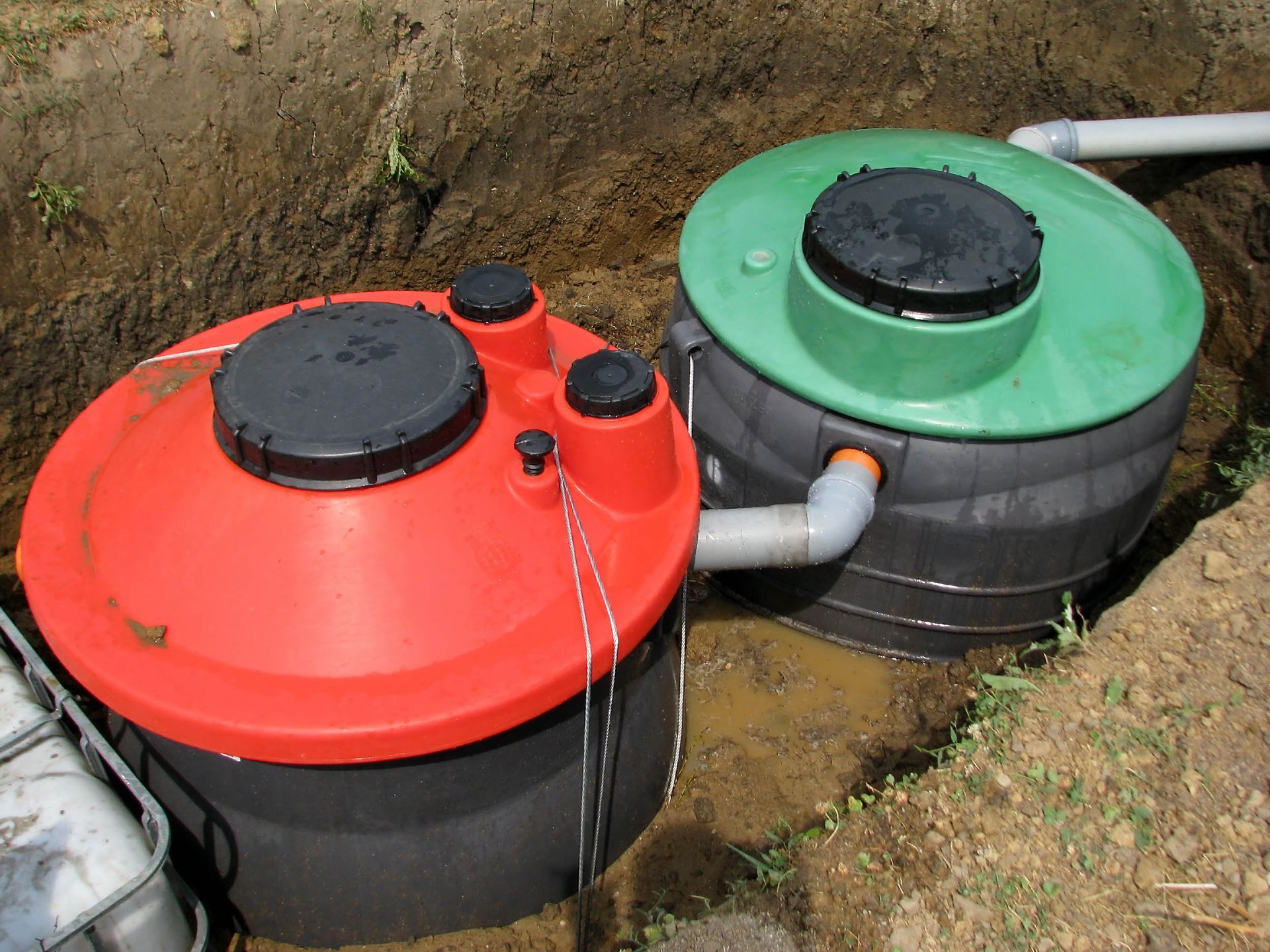
When replacing a septic tank, it’s essential to choose the right material for your needs. Commonly used tank materials include polyethylene, concrete, fiberglass, and steel. Polyethylene tanks are lightweight and resistant to rust but can be prone to structural weaknesses. Concrete tanks are durable and withstand pressure well, but they’re heavy and challenging to install. Fiberglass tanks offer a balance between durability and cost, while steel tanks, although durable, are susceptible to rust.
Cost Factors
The cost of installing a new septic tank depends on several factors, including material, size, and complexity of the installation. Labor costs can also vary based on the installer’s expertise and the locality’s regulations. Budgeting for a septic system should also include potential unexpected costs, such as difficult excavation conditions or the need to replace drain fields. Remember, investing in high-quality materials can save money long-term by reducing maintenance issues. Always compare estimates from multiple contractors and consult a reputable septic cleaner to ensure you receive a fair price and accurate recommendations.
Environmental Impact
Choosing an environmentally friendly septic system can greatly impact your household’s environmental footprint. Advanced systems designed for lower environmental impact use better materials and more efficient processes to dispose of waste. While these options might be more expensive upfront, they typically lead to lower long-term environmental costs. Some systems allow for greywater recycling, a method that reduces the total volume of wastewater treated. Research different system types and consult experts to choose an option that aligns with both your budget and environmental concerns.
Durability and Lifespan
Septic tank durability and lifespan vary significantly depending on materials and maintenance practices. Concrete tanks can often last 40 years or more, while polyethylene tanks might last for 20 to 30 years. Regular maintenance and immediate repair of minor issues can extend the functional lifespan of all types of tanks. According to experts, 40- to 50-year-old systems originally designed for static groundwater levels might not be suitable under today’s conditions. As such, regular inspections and maintenance by a professional septic cleaner are crucial for long-term functionality.
Deciding whether a new septic tank is necessary requires careful evaluation of both your current system's condition and the options available for replacement. Recognizing warning signs early, such as backups, odors, and system age, can save homeowners from unnecessary expenses. Exploring diverse solutions, including advanced units and alternative systems like greywater setups, provides practical and eco-friendly options. Proper maintenance routines, including regular pumping, wise water usage, and careful chemical handling, ensure long-term system health. Prioritizing proactive approaches assists in achieving effective wastewater management, securing home safety and environmental well-being. If you're looking for a professional septic cleaner, make sure to contact CT Brown Sanitation & Drain Cleaning today!

Share On: